


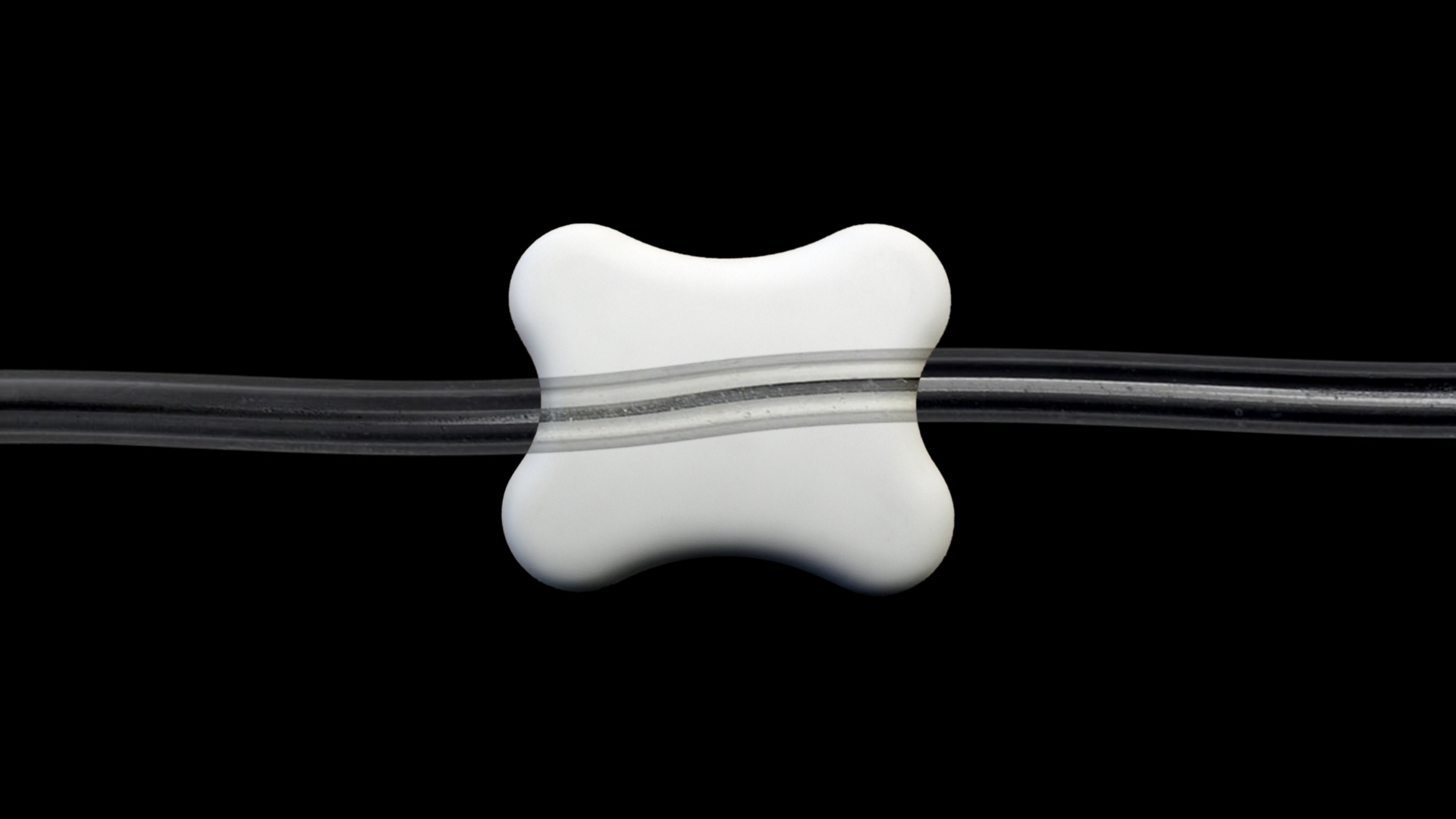




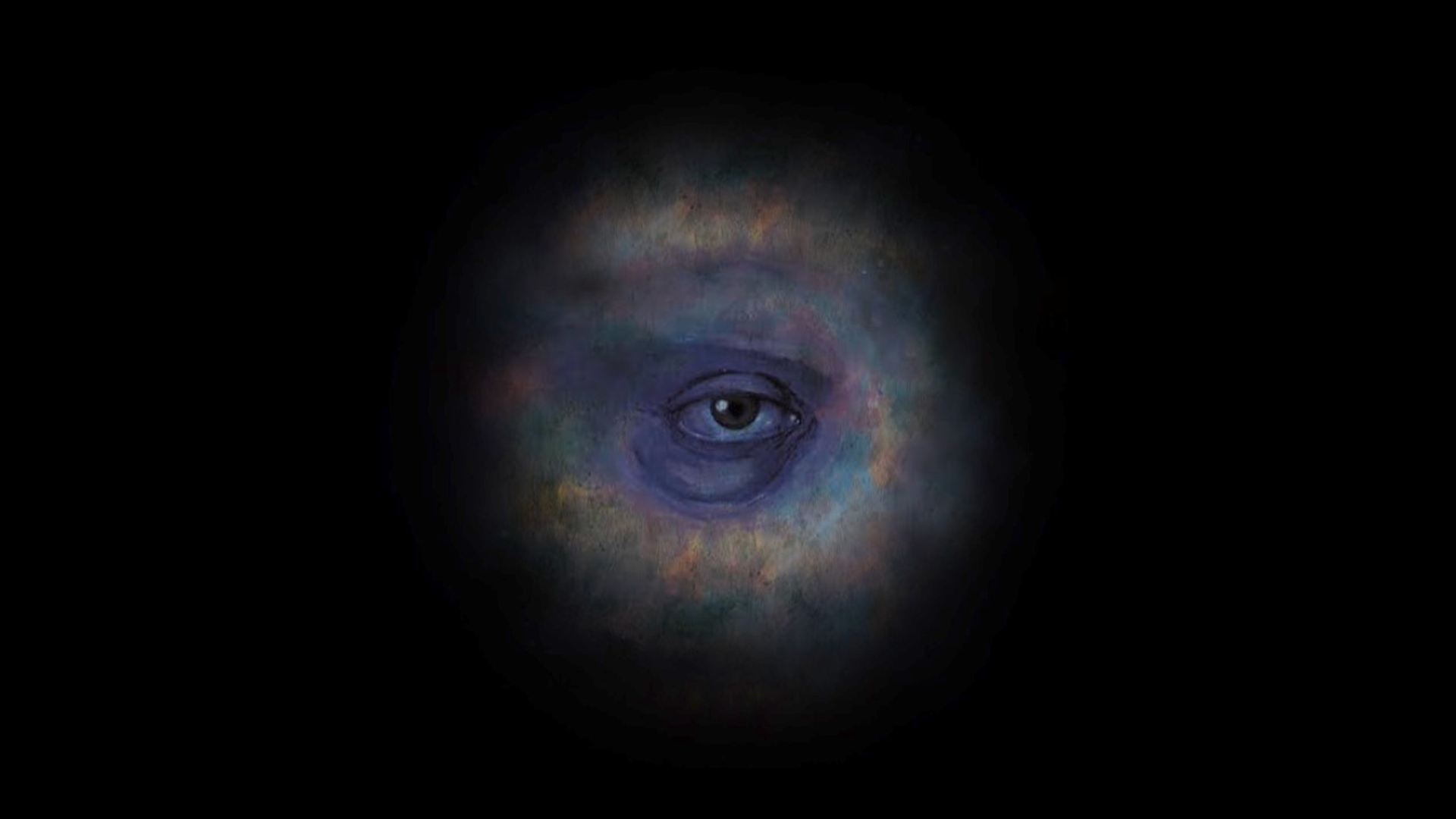

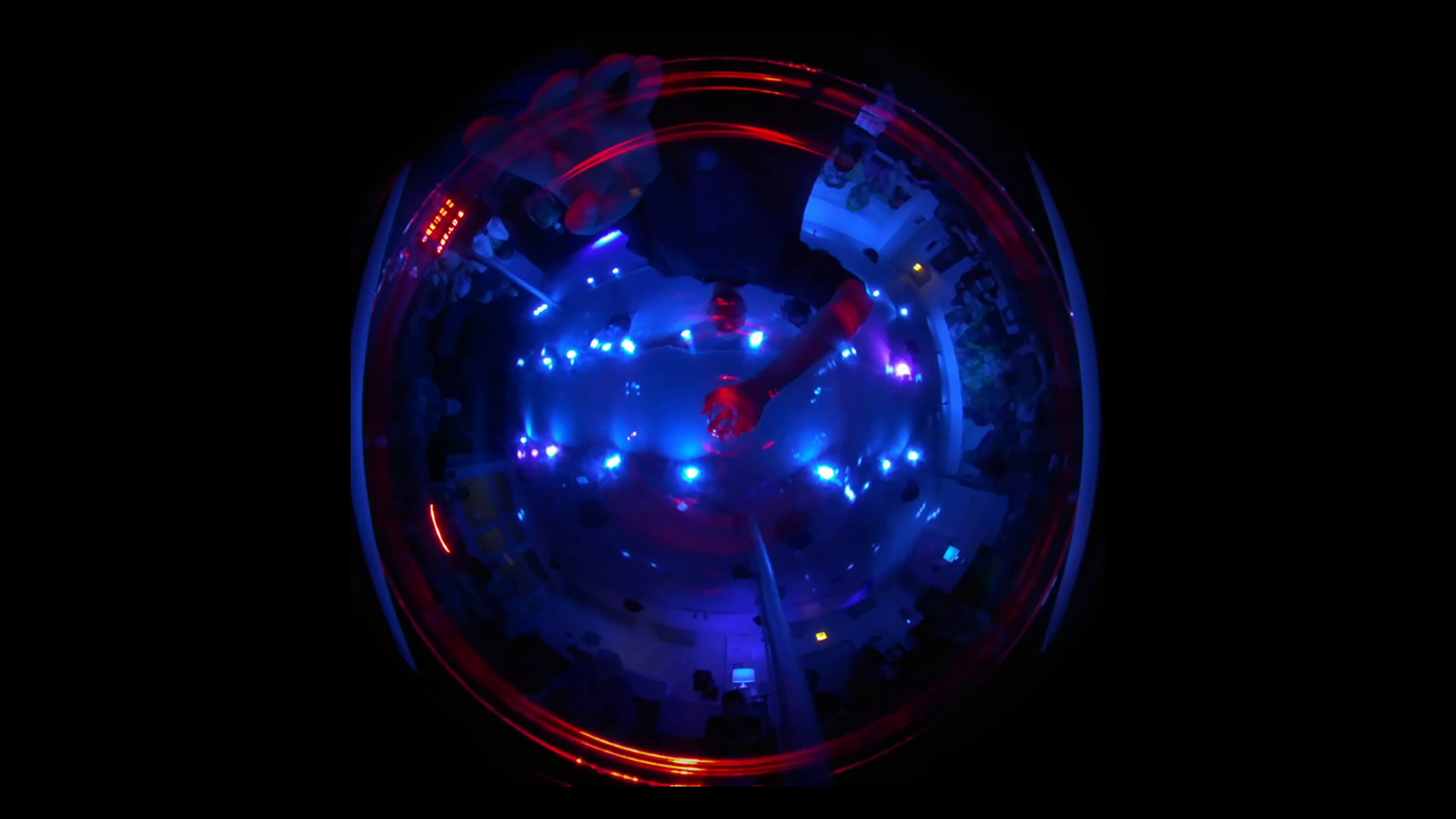
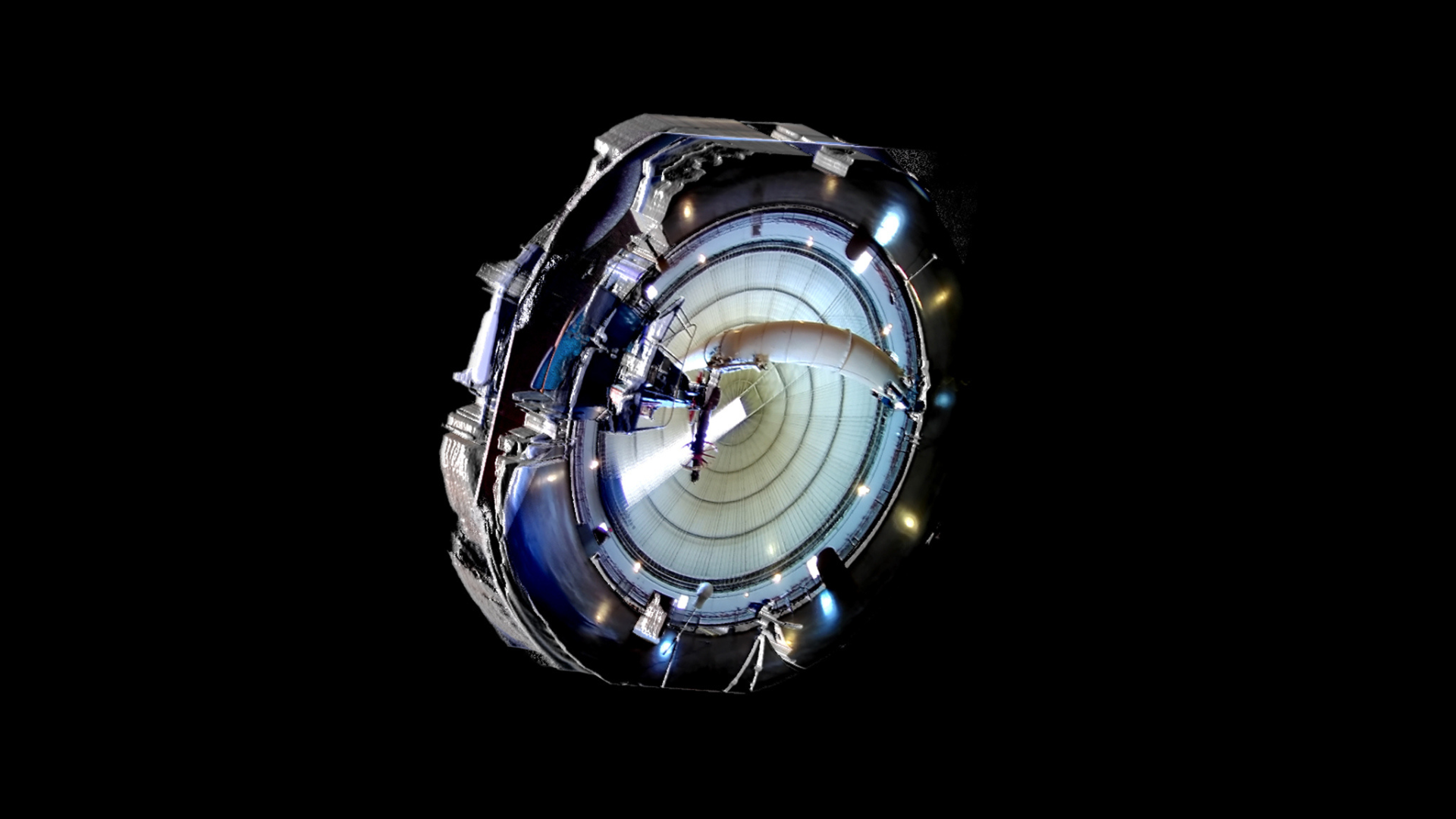


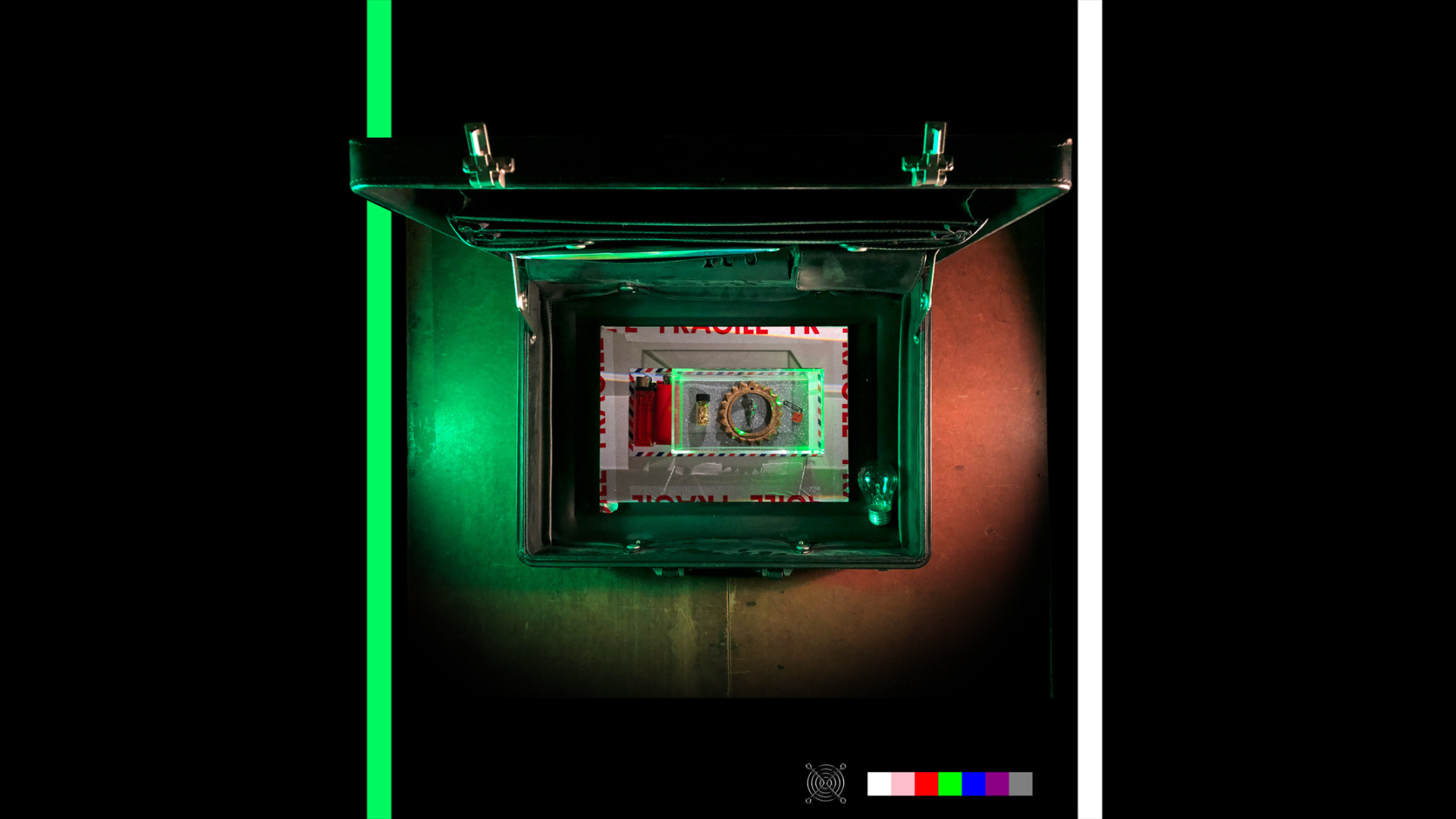

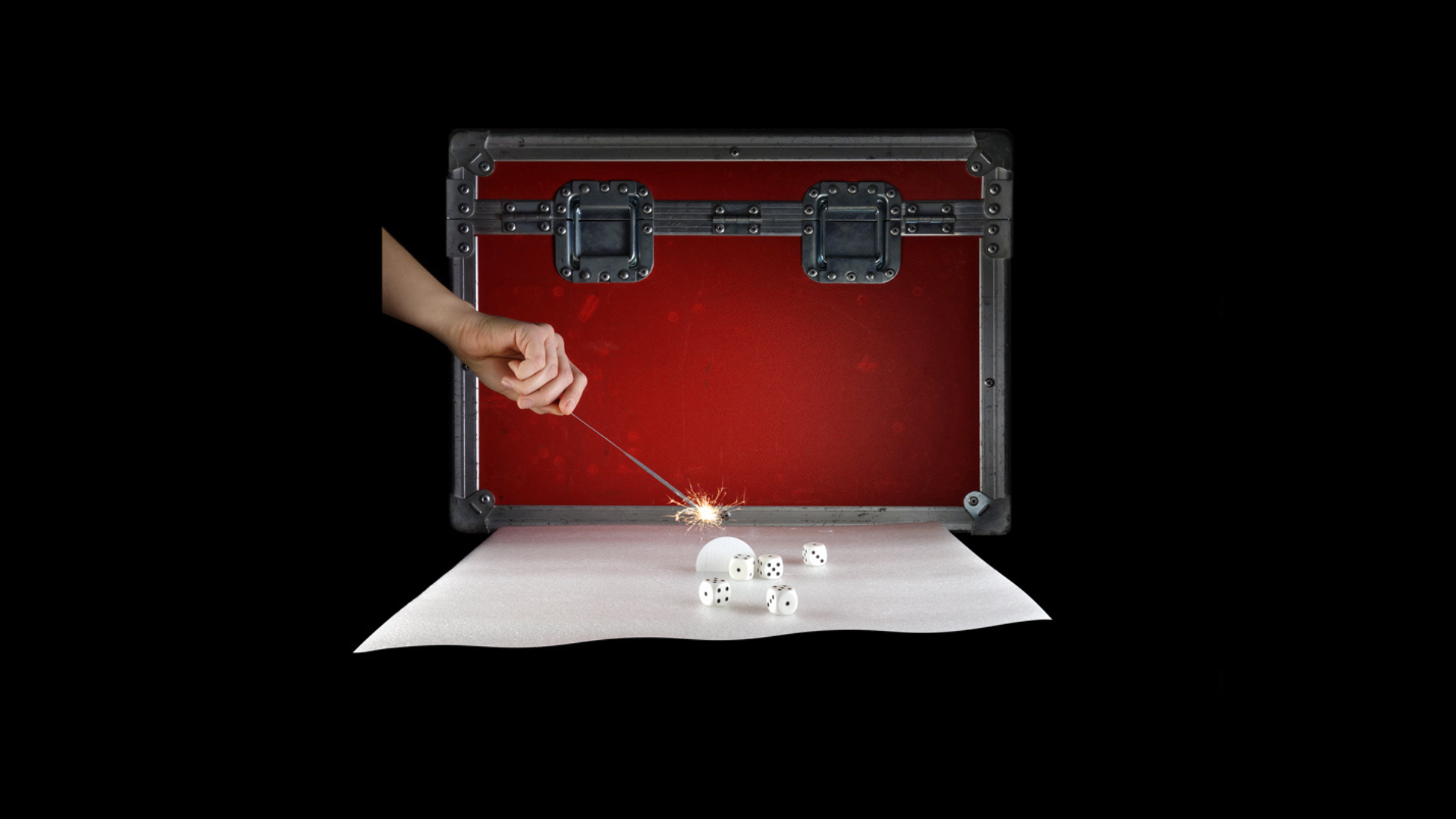


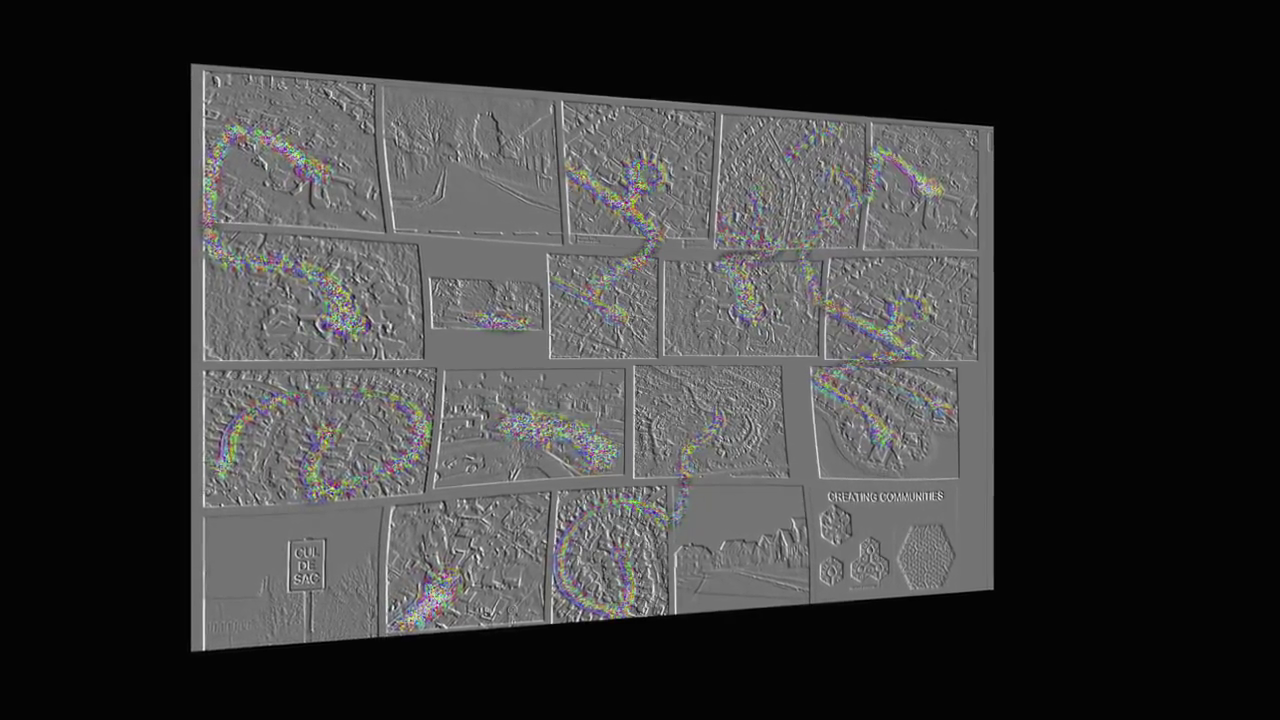



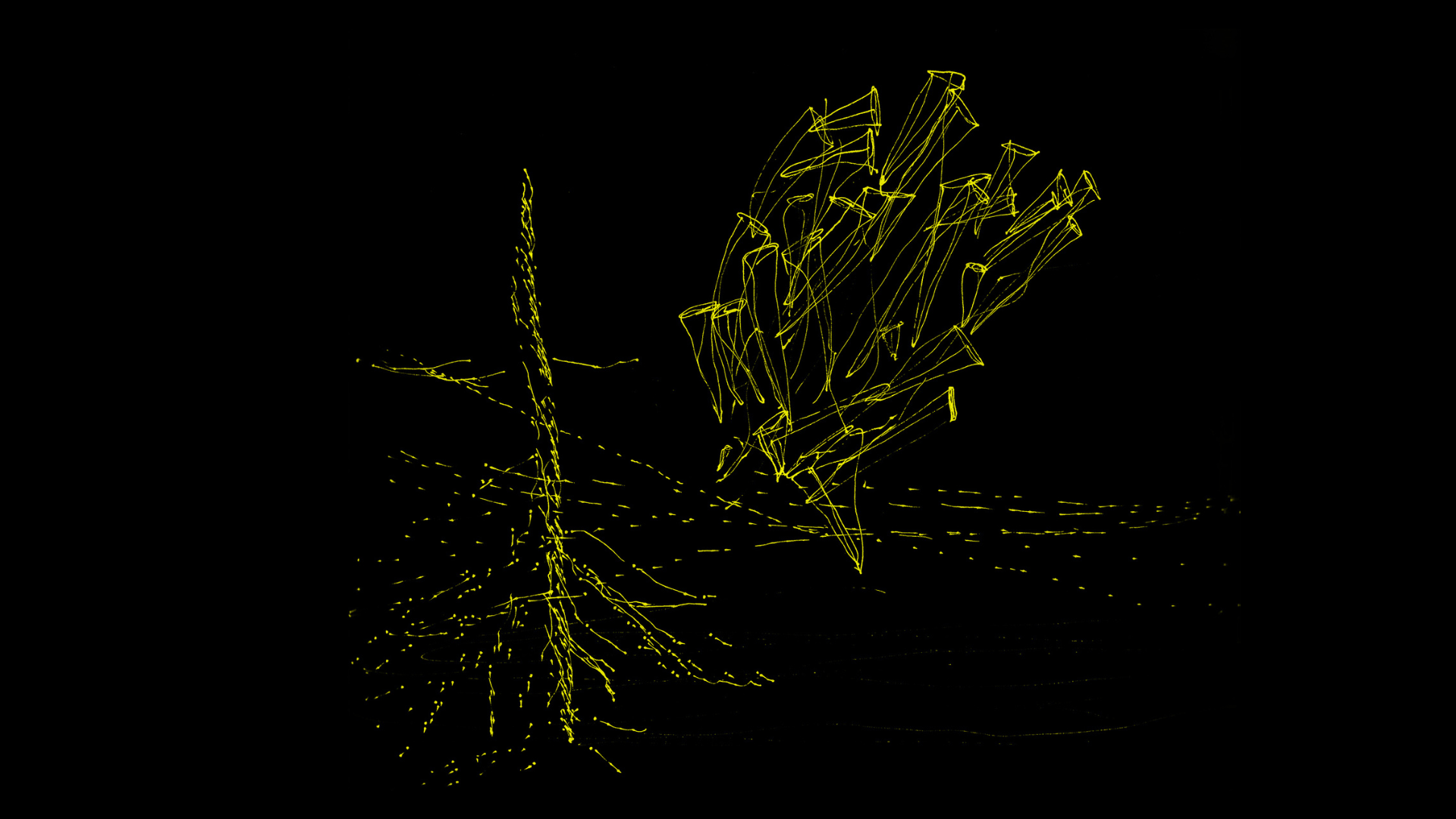
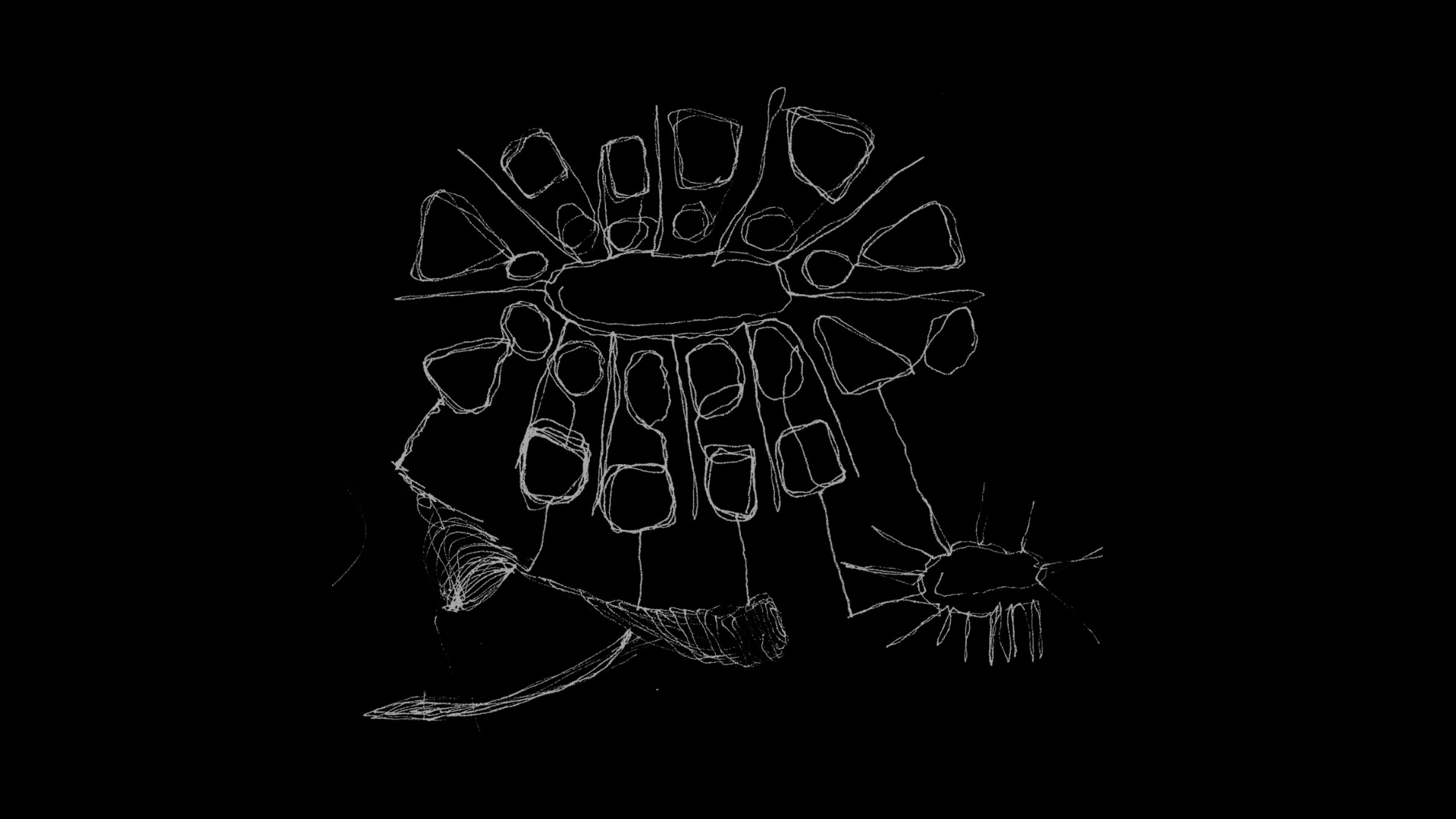

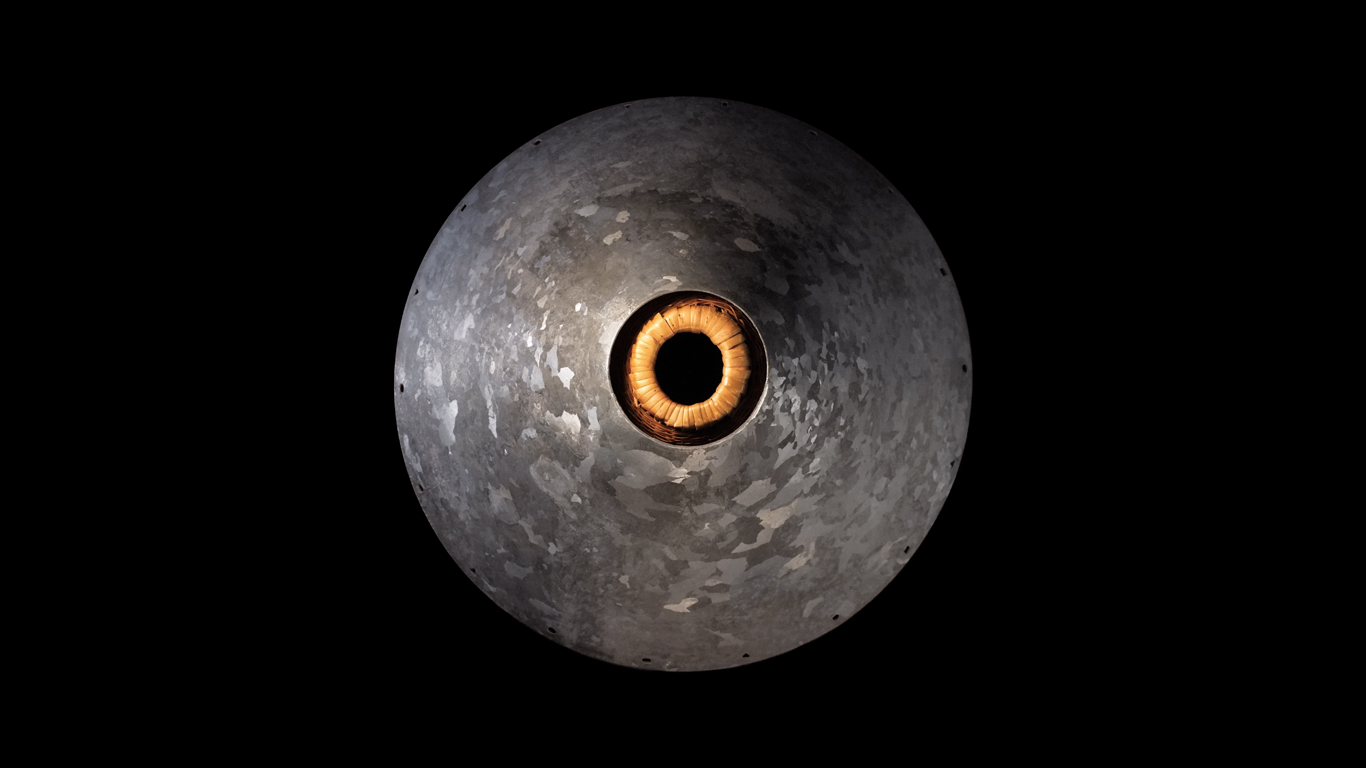
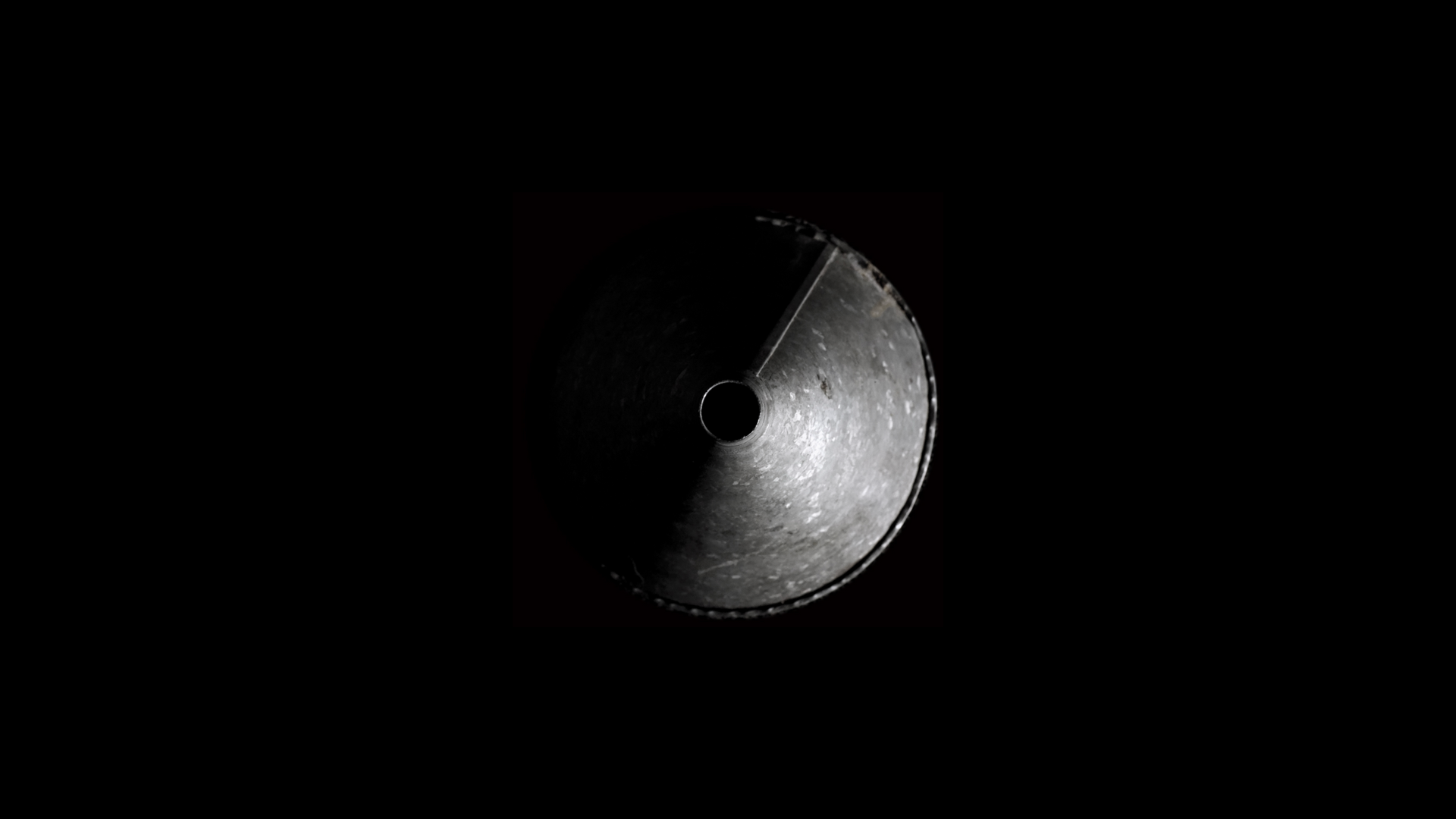
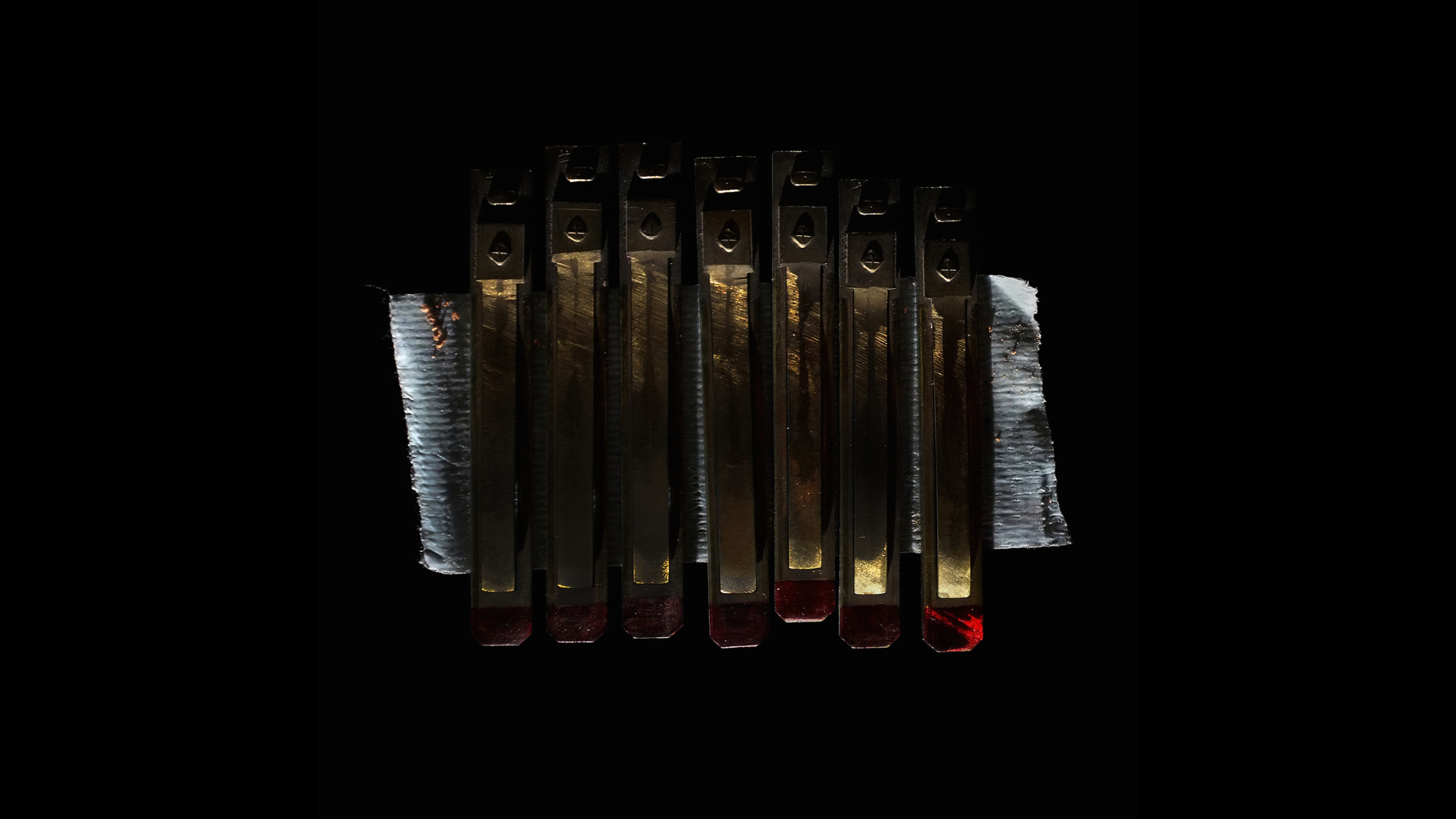



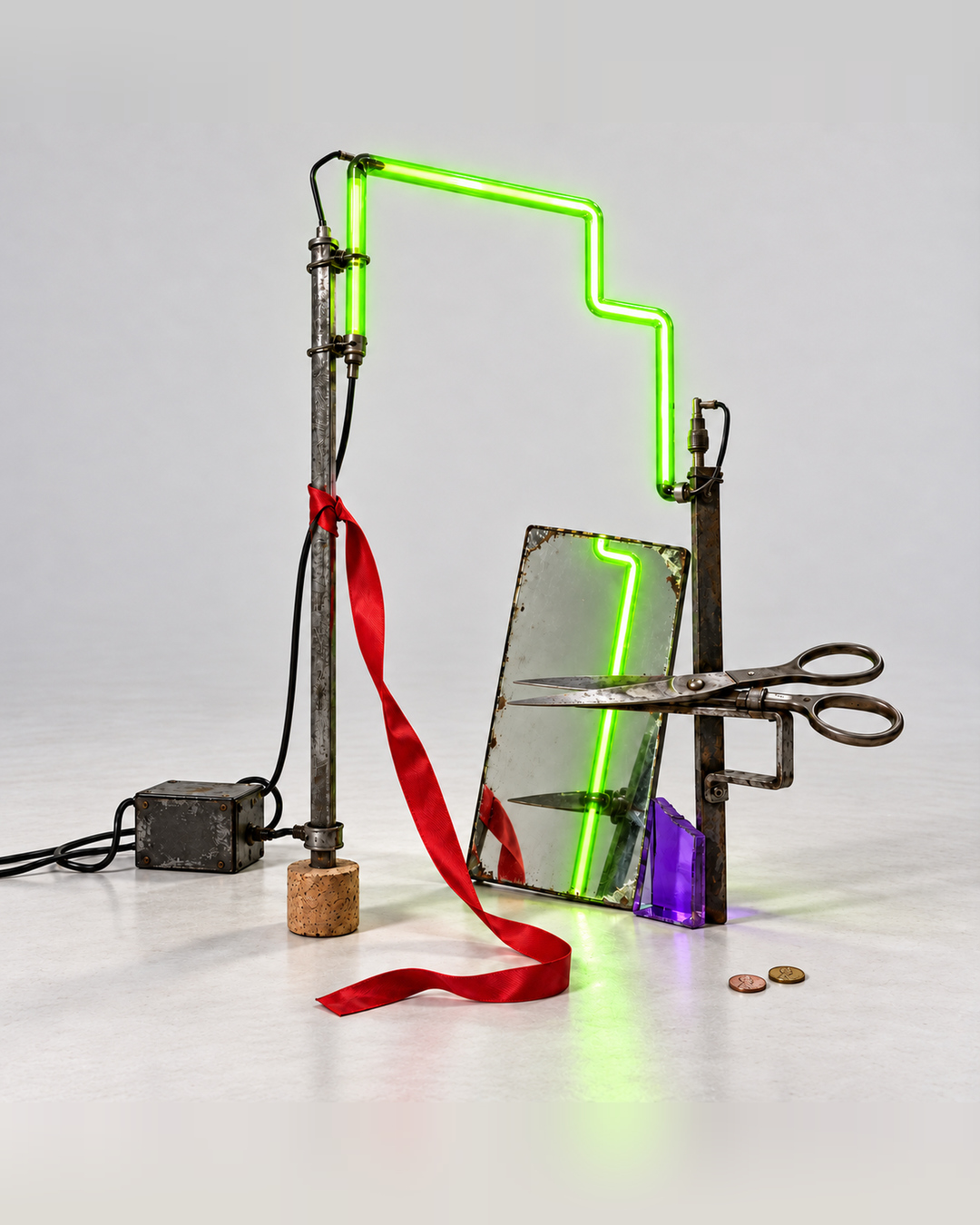
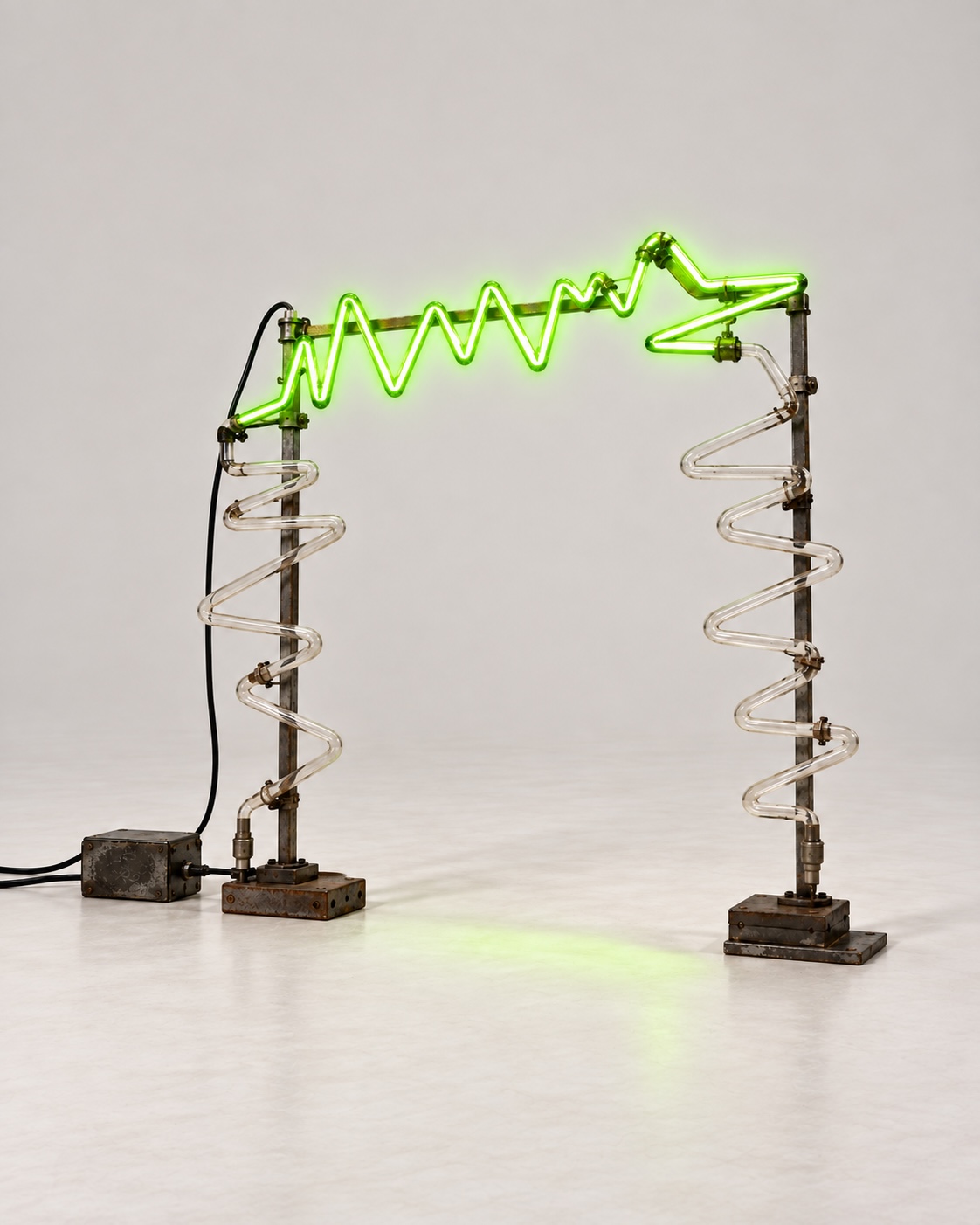
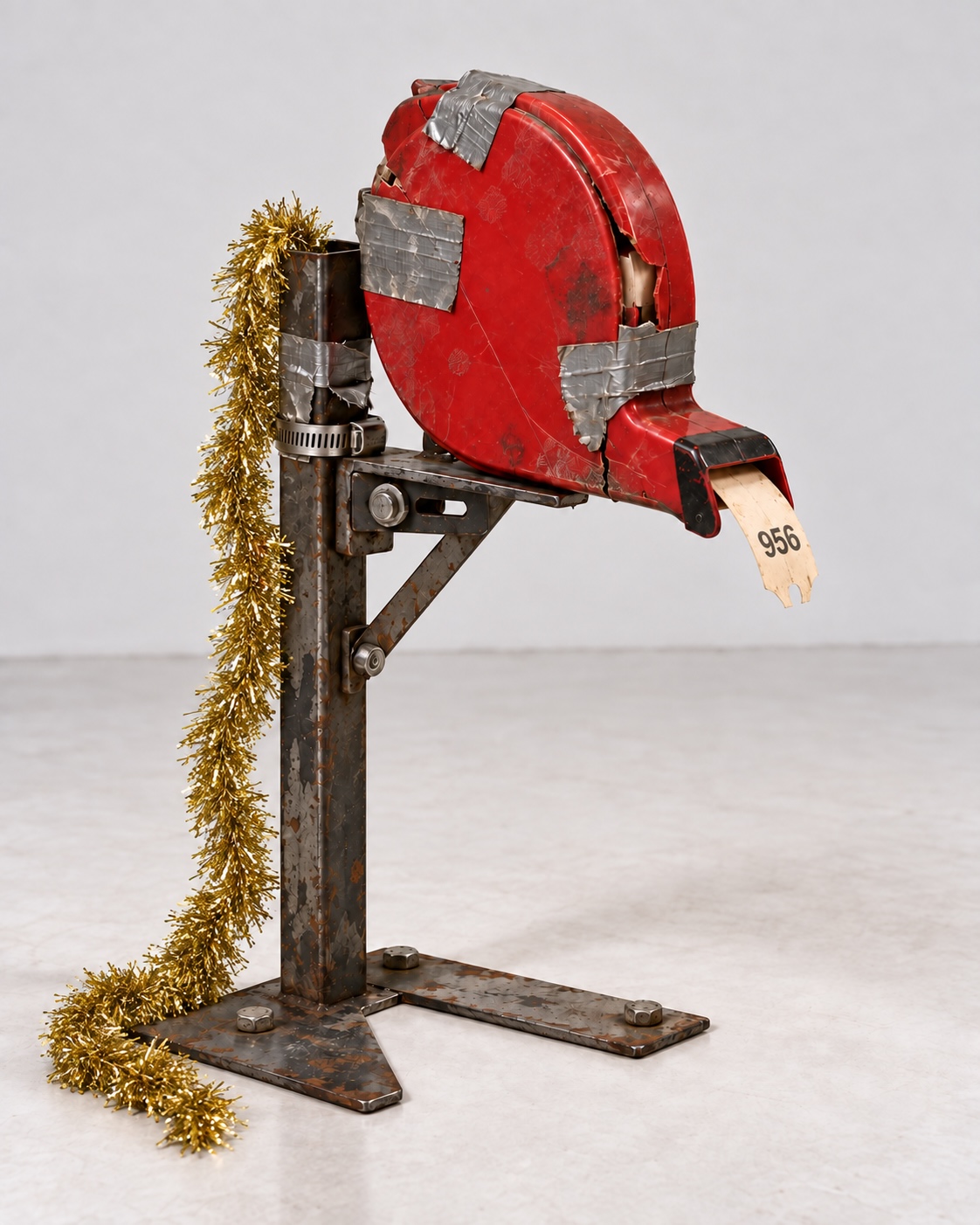
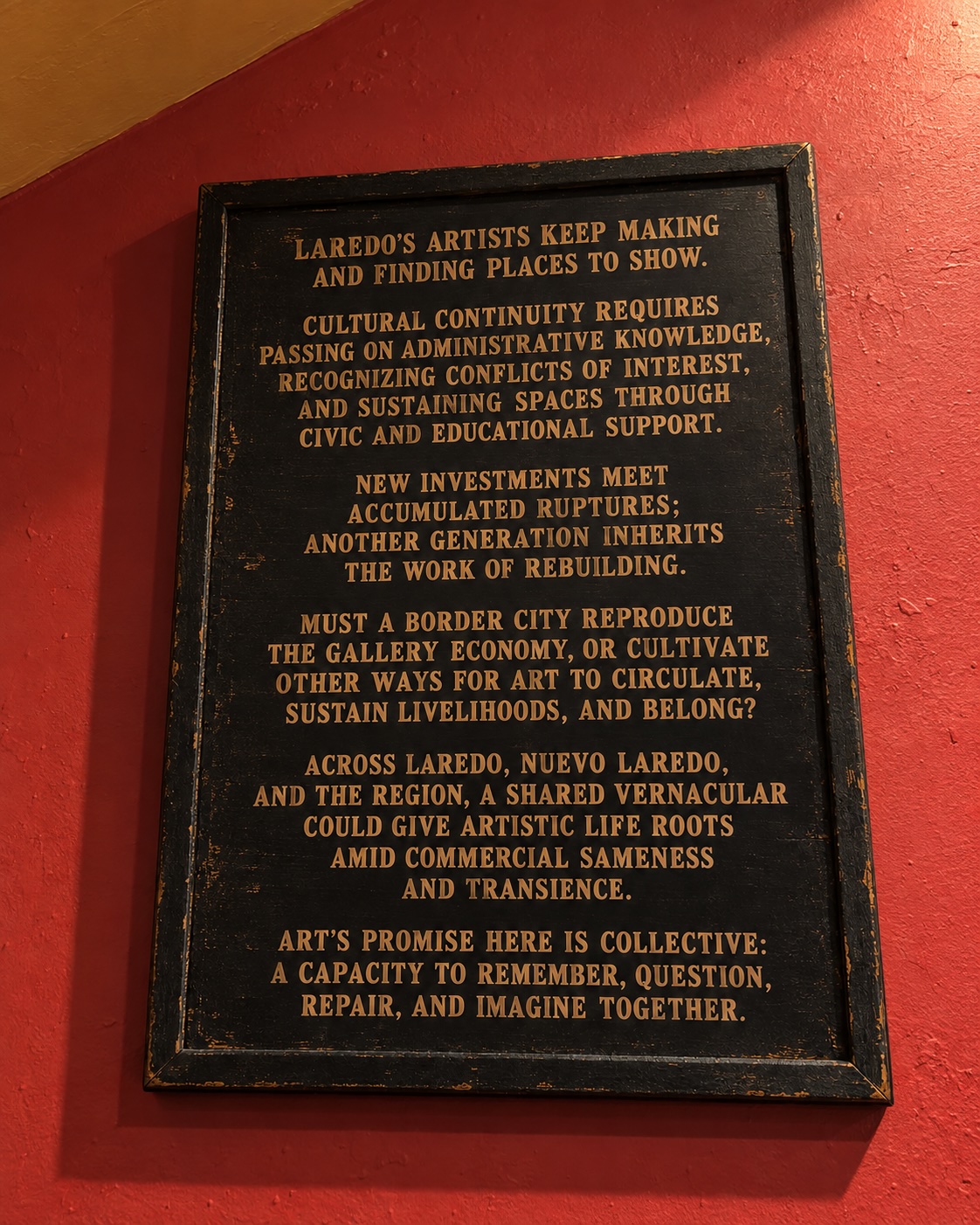
Sobremesa (2026) is a series of artificially created images developed in response to Glasstire’s 25th-anniversary call to review Texas cities through the lens of institutional critique. Taking Laredo as its subject, the work explores the distance between cultural aspiration and the administrative, educational, and material support needed to sustain artistic life.
The images were generated through an iterative process using photographs of downtown Laredo, vernacular shop signs, improvised structures, and Nestor’s earlier sculptural work Stereo (2022), presented in Intervention, as references. M. C. Escher’s Still Life with Mirror (1934) informed an exploration of impossible paths and reflections. Glasstire’s invocation of Hans Haacke and Andrea Fraser provided the broader context of examining institutions through their structures, rituals, and promises.
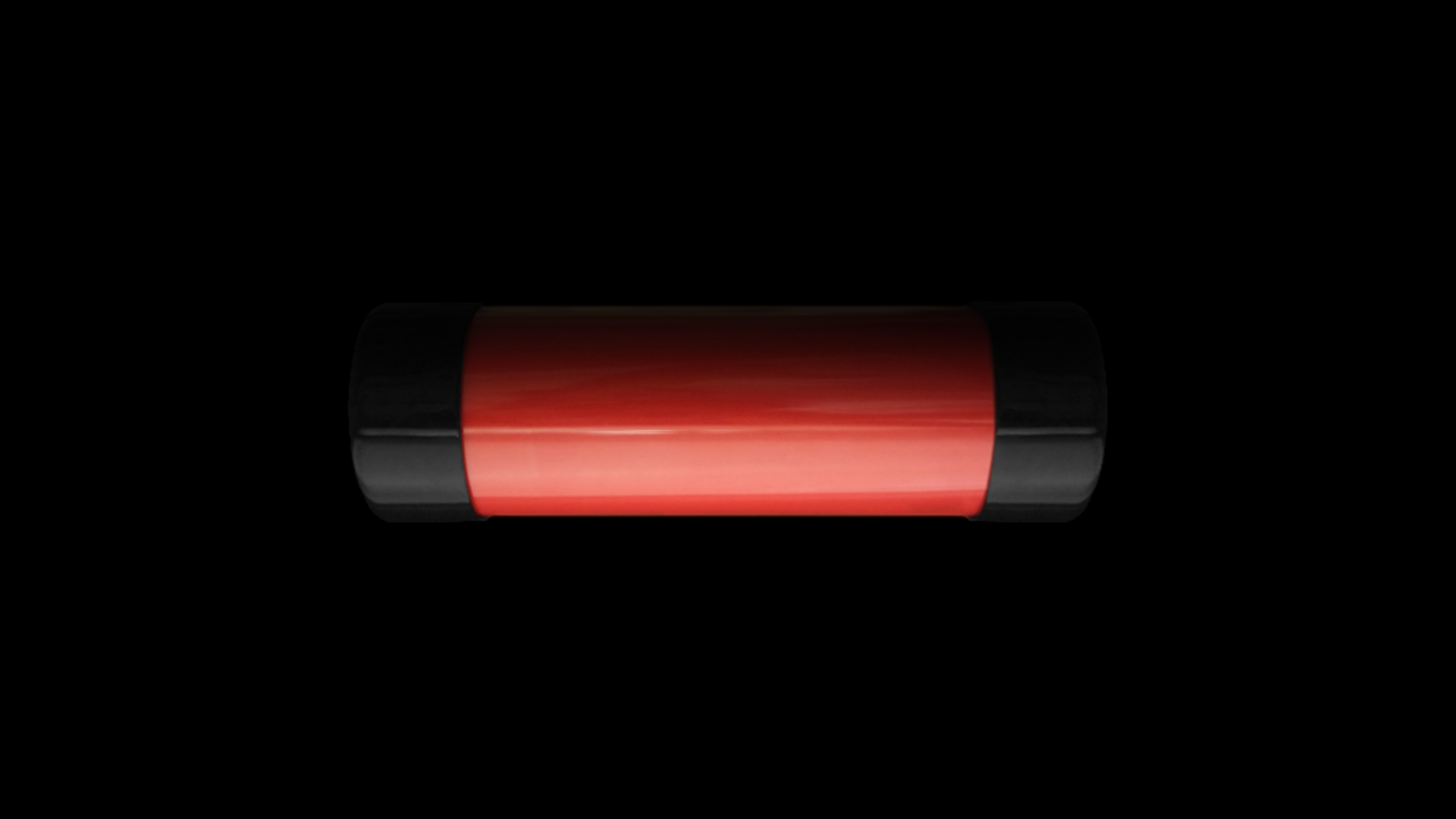
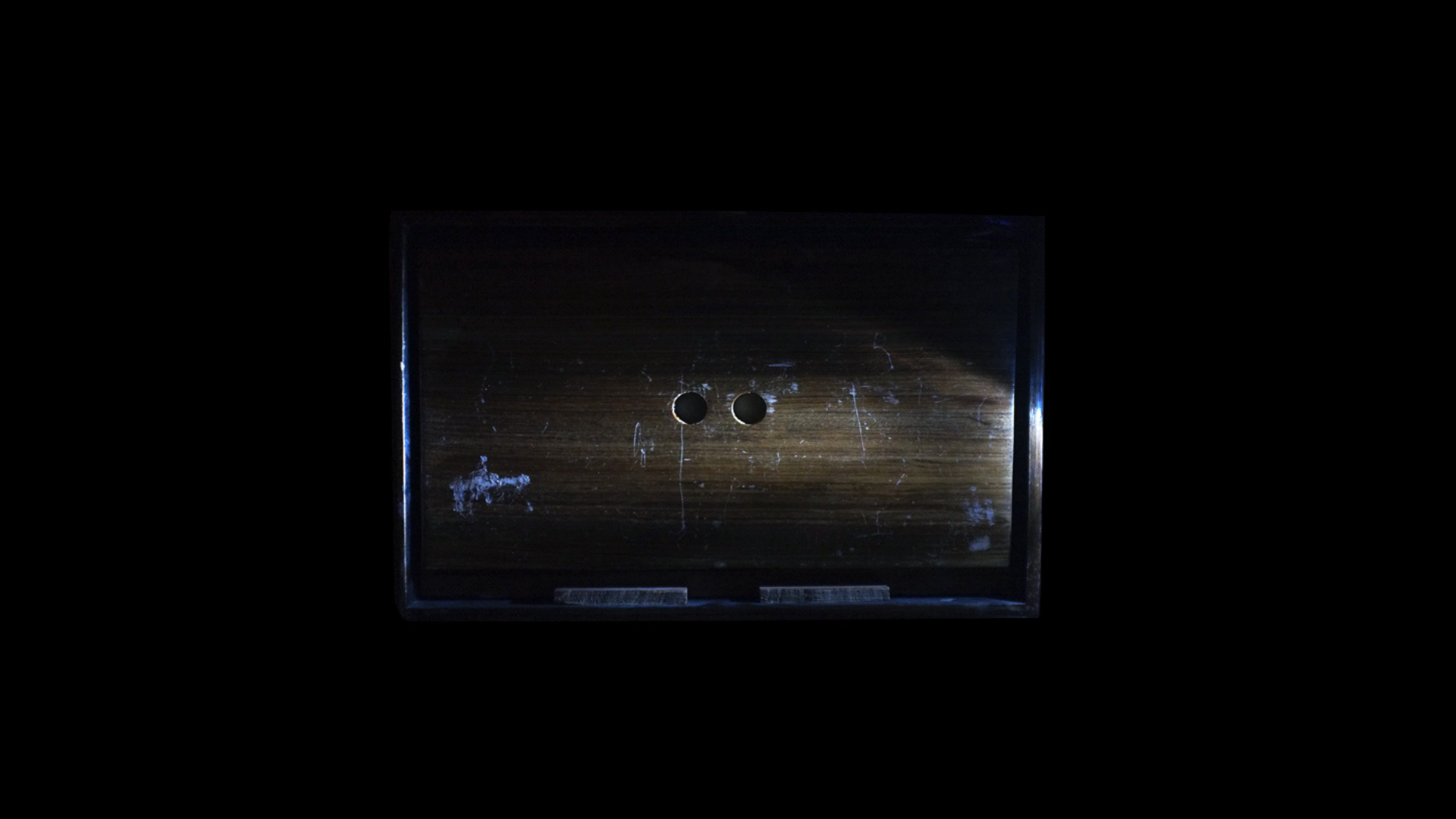
Sobremesa assembles the appearances of neon, salvaged metal, weathered mirrors, scissors, satin ribbon, purple acrylic, cork, real and imitation pennies, a ticket dispenser, and tinsel. These simulated objects evoke physical tangibility while testing the surface conventions through which contemporary art acquires legibility and authority. Their configurations combine formal restraint with rasquache resourcefulness.
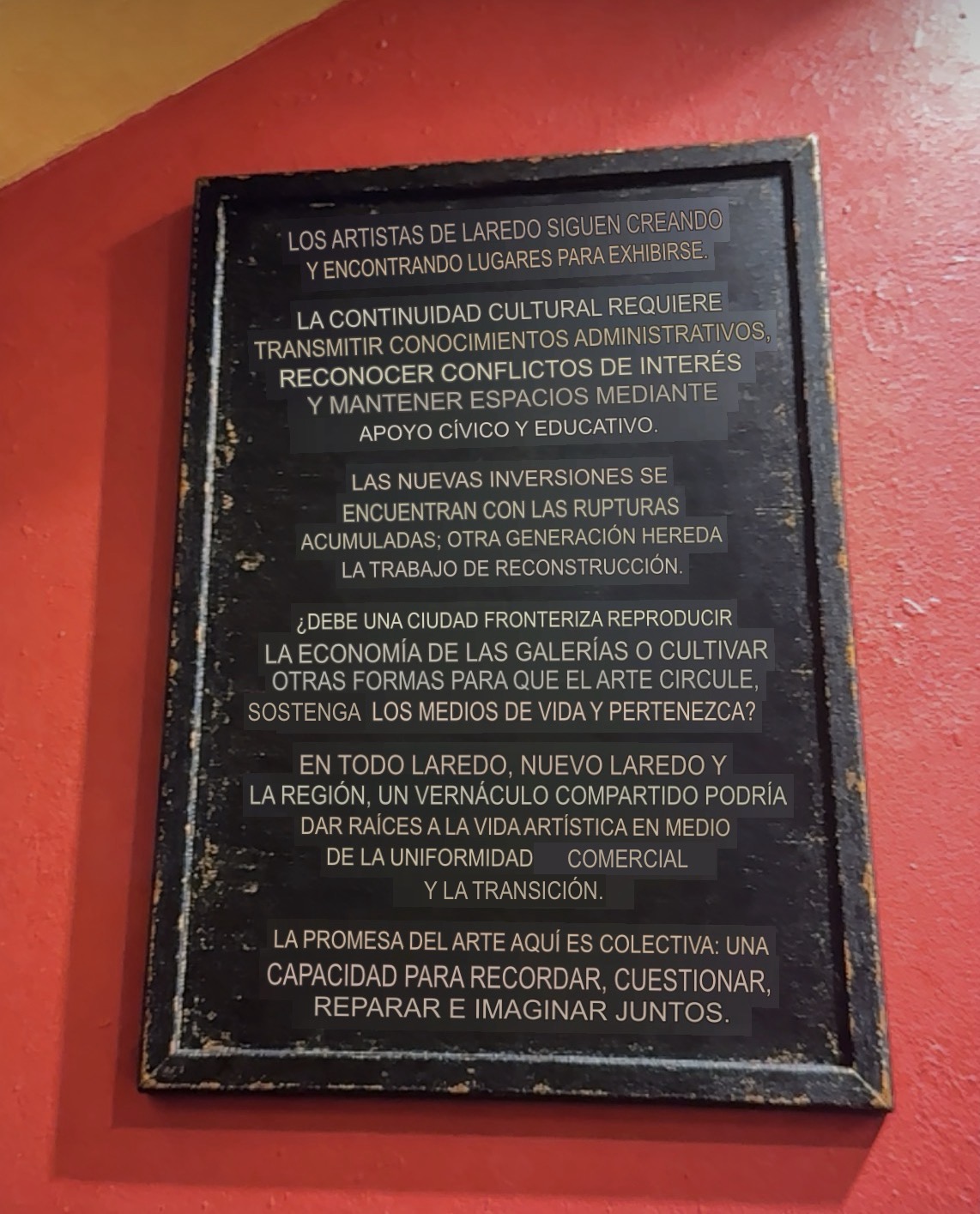
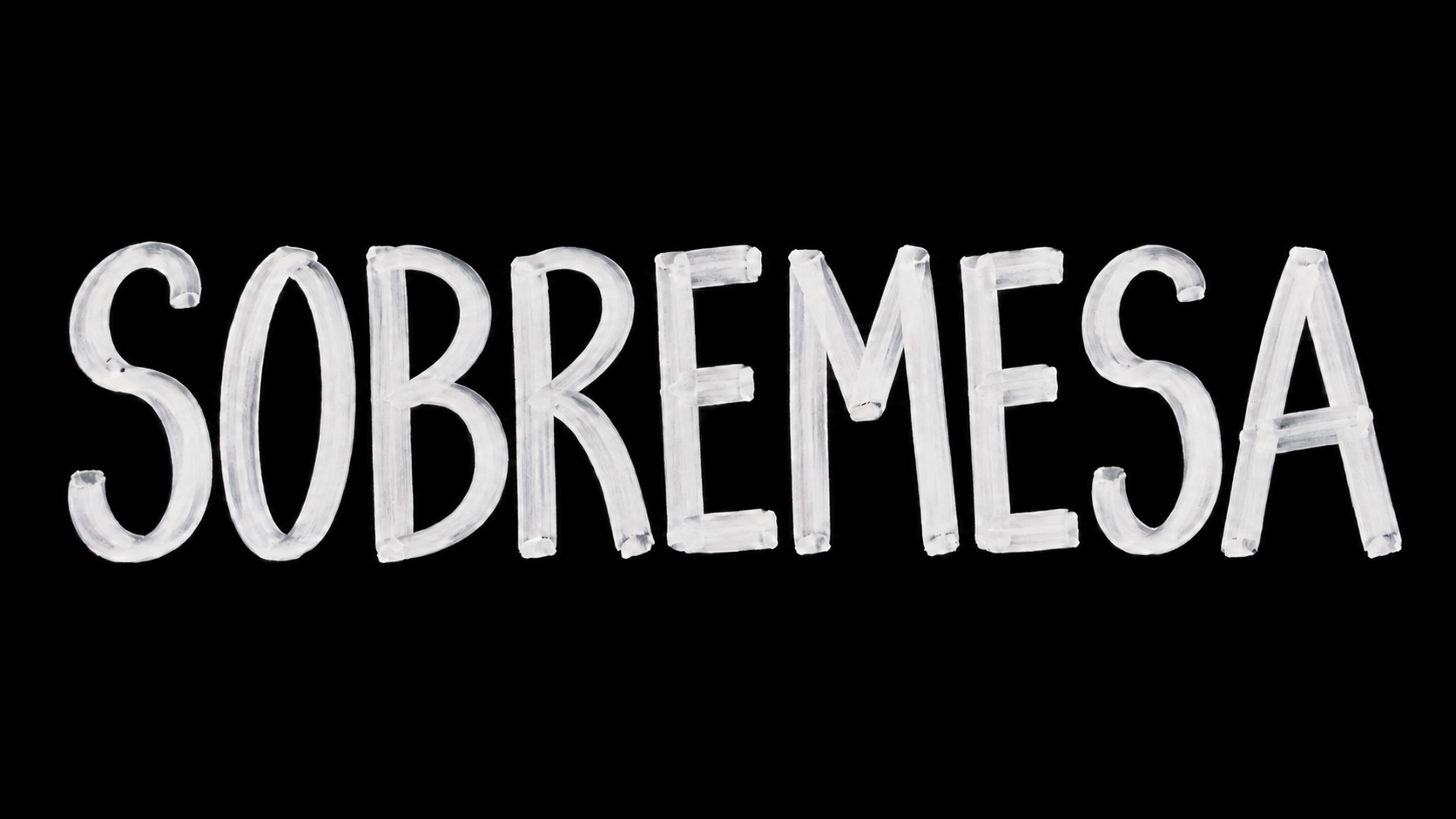
Noé Cuéllar’s text, appearing within a generated image, asks how artistic knowledge can pass between generations, how cultural spaces can endure, and how Laredo might cultivate forms of circulation and livelihood across Nuevo Laredo and the region. The title proposes sobremesa, the time spent lingering in conversation, as an invitation to sustain that shared work.
Across the series, ceremonial gestures, systems of access, and improvised supports persist in states of interruption and repair. Materials carry different kinds of authority: some power, some promise, some reflect, some keep things going por mientras. Illumination coexists with disuse and decoration gathers around damaged mechanisms. Wear and uncertain function allow the images to hold these contradictions without resolving them. Their precariousness suggests both accumulated neglect and the imagination of those who continue to make culture possible. Hope resides in that effort, alongside the question of what would allow it to become a shared, lasting capacity.
The Spanish version of the text takes the form of a screenshot of a camera-based translation, extending the work’s rasquache aesthetic into everyday digital use. Automated substitutions introduce another layer of improvised mediation.
Laredo’s artists keep making and finding places to show.
Cultural continuity requires passing on administrative knowledge, recognizing conflicts of interest, and sustaining spaces through civic and educational support.
New investments meet accumulated ruptures; another generation inherits the work of rebuilding.
Must a border city reproduce the gallery economy, or cultivate other ways for art to circulate, sustain livelihoods, and belong?
Across Laredo, Nuevo Laredo, and the region, a shared vernacular could give artistic life roots amid commercial sameness and transience.
Art’s promise here is collective: a capacity to remember, question, repair, and imagine together.